
A day in an institution, a life in an institution
Imagine living in a space shared by 15 other people.
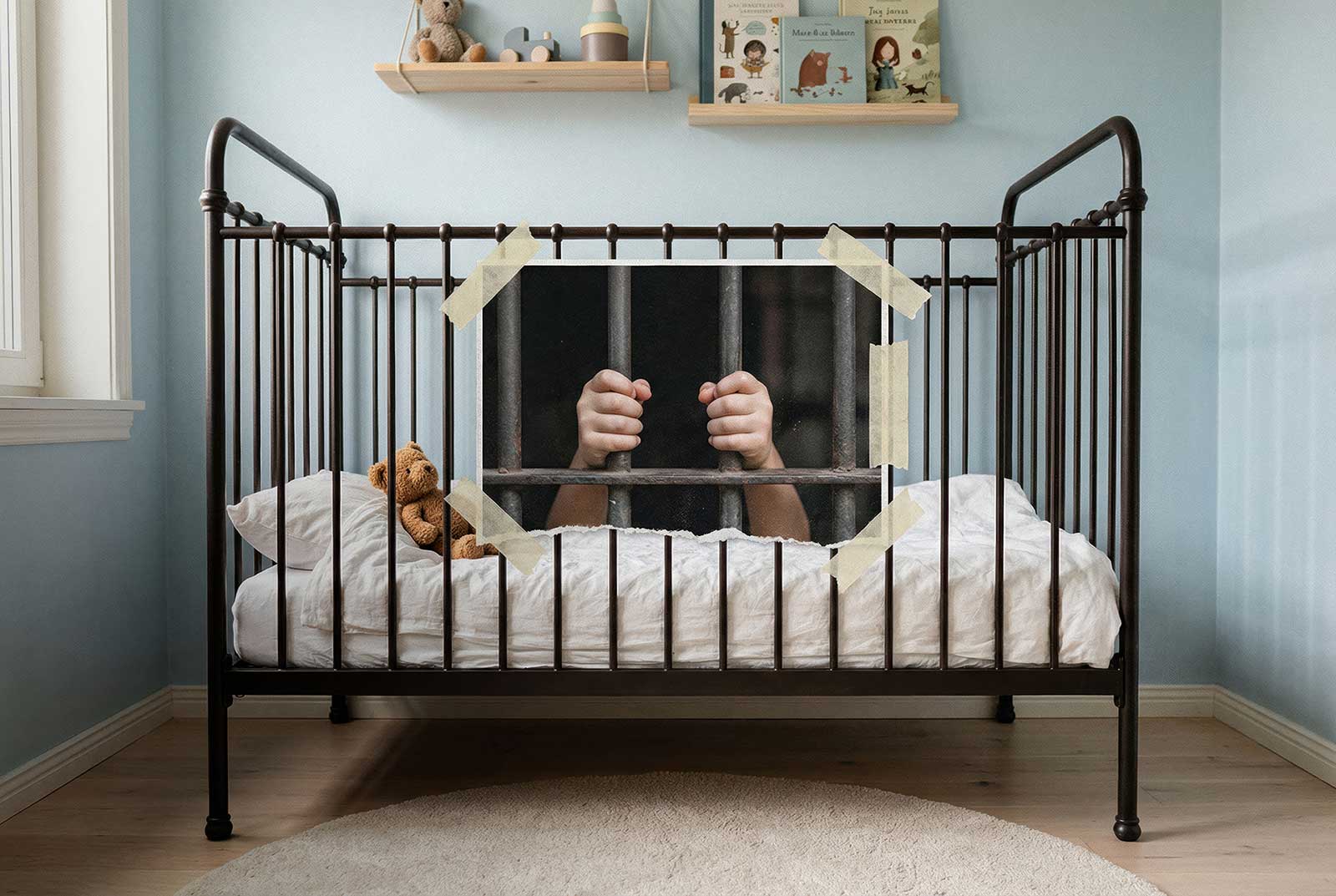
The only thing that belongs to you is a bed—very often with bars for “protection”—and you may have to stay there for days, months, or years.
Imagine eating at fixed times, whether you are hungry or not. And having no choice.
Imagine bathing only on scheduled days and times, and even when you urgently need it, having to wait.
Imagine waking up and staring at a white ceiling. And before going to sleep at night, staring at that same white ceiling again.
Imagine your day depending on the staff’s mood, because they are responsible for your care and the people you see every day.
Imagine looking forward to going outside, but that moment takes a long time to come.
Imagine being in pain but not being able to say it, or no one hearing you.
At the hospital, not being cared for as you should be; at school—if you attend—being treated either with pity or being hurt because you are different; on the street—if you go out—being stared at.
Imagine carrying every day the trauma from your life before coming here, while also opening new wounds each day. Never having heard someone say to you: “How do you feel?”, “I will always be by your side.” “I love you.”
Imagine not having dreams—not because you don’t want to, but because you are not allowed to.
And to be a child…
This is not a dystopian story.
It is the reality for thousands of children living in institutions.
According to an estimate by the Greek Ombudsman for Children in 2015, approximately 3,000 children across the country were living in child protection institutions—1,000 in public facilities and the remaining 2,000 in private ones (residential homes and care institutions run by charitable associations, foundations, church organizations, etc.). More recent data show 1,377 children in institutions, with the majority over the age of six and at least 10% being children with disabilities (UNICEF, 2023). Most of these children are housed in large, old buildings, far from urban areas, while licensing, certification, supervision, and monitoring procedures show significant gaps.
According to an estimate by the Greek Ombudsman for Children in 2015, approximately 3,000 children across the country were living in child protection institutions—1,000 in public facilities and the remaining 2,000 in private ones (residential homes and care institutions run by charitable associations, foundations, church organizations, etc.). More recent data show 1,377 children in institutions, with the majority under the age of six and at least 10% being children with disabilities (UNICEF, 2023). Most of these children are housed in large, old buildings, far from urban areas, while licensing, certification, supervision, and monitoring procedures show significant gaps.
What is happening in Greece
While historically most institutions were created to house children orphaned by war, today most children living in institutions are not orphans. They are children removed from their families due to abuse, neglect, or abandonment.
Today, in developed European countries, traditional child protection institutions have been abolished and replaced by small, family-type units or specialized therapeutic settings for children and adolescents with emotional, behavioral, or physical (sensory, motor, or intellectual) disabilities.
In Greece, by contrast, placing children who are removed from their families into institutions is usually the first—and often the only—solution considered. These institutions operate under an outdated, “asylum-type” model, resulting in violations of the rights of the children who live in them.
Institutions with children with disabilities
In particular, in institutions where children with disabilities live, the following are observed:
1.
Practices of mechanical or chemical restraint, such as tying children down or confining them to “cage-beds,” are due to a lack of staff to supervise them.
2.
Severe staff burnout, with employees working for many years under extremely demanding conditions, without proper training, support, or supervision.
3.
Cases of inadequate school attendance and lack of programs for creative activities, recreation, or socialization.
4.
Lack of qualified scientific staff poses serious risks to children’s health, safety, and mental well-being.
5.
Children who reach adulthood within these institutions often remain there indefinitely or are transferred to elderly care facilities, due to the absence of appropriate structures for young disabled adults and the lack of support for independent living.
Impact of institutionalization
According to international research, children who grow up in institutions tend to have lower-than-average IQ, delayed psychomotor development, attachment disorders, and impaired brain development. They often receive inadequate nutrition, insufficient medical and psychological care, and poor education; they face learning difficulties and are frequently victims of various forms of abuse. They also show an increased risk of delinquent behavior and suicidality in adulthood.
Institutions have been proven to be harmful environments—especially for disabled children —violating fundamental human rights principles such as respect for human dignity, freedom, and equality, as well as basic rights related to survival, development, protection, participation, and identity.
Podcasts
Listen to the podcast series “Institutions Are Not the Solution”
Eight people shared their stories from institutions with us.
People who have spent part of their lives in institutions, foster mothers, and volunteers opened their hearts and spoke about their experiences—and above all, about the fact that life outside an institution is not a privilege.
It is a right.
Foster Care and Professional Foster Care
Every child deserves to grow up in a home, in a family, within an environment of care, love, and stability. Institutions cannot replace the daily human connection, the sense of belonging, and the personal care that every child needs to develop. Institutions are not the solution.
News about Deinstitutionalization
Meet our partners



The action is implemented with the support of the John S. Latsis Public Benefit Foundation within the framework of the program “Points of Support”, which is co-funded by ten charitable organizations.