

Institutions are not the solution.
Every child deserves a family—every person a home.
Recipients: Office of the Prime Minister, Ministry of Social Cohesion and Family, National Confederation of Disabled People (E.S.A.meA), Greek Ombudsman
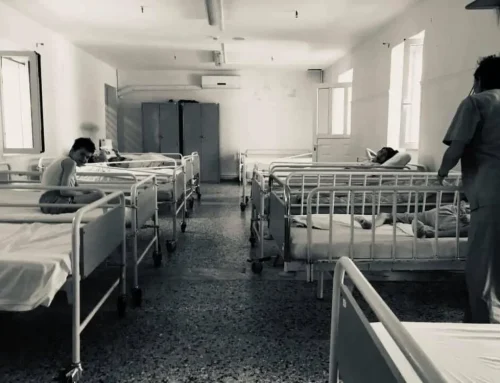
Imagine living in a space shared by 15 other people.
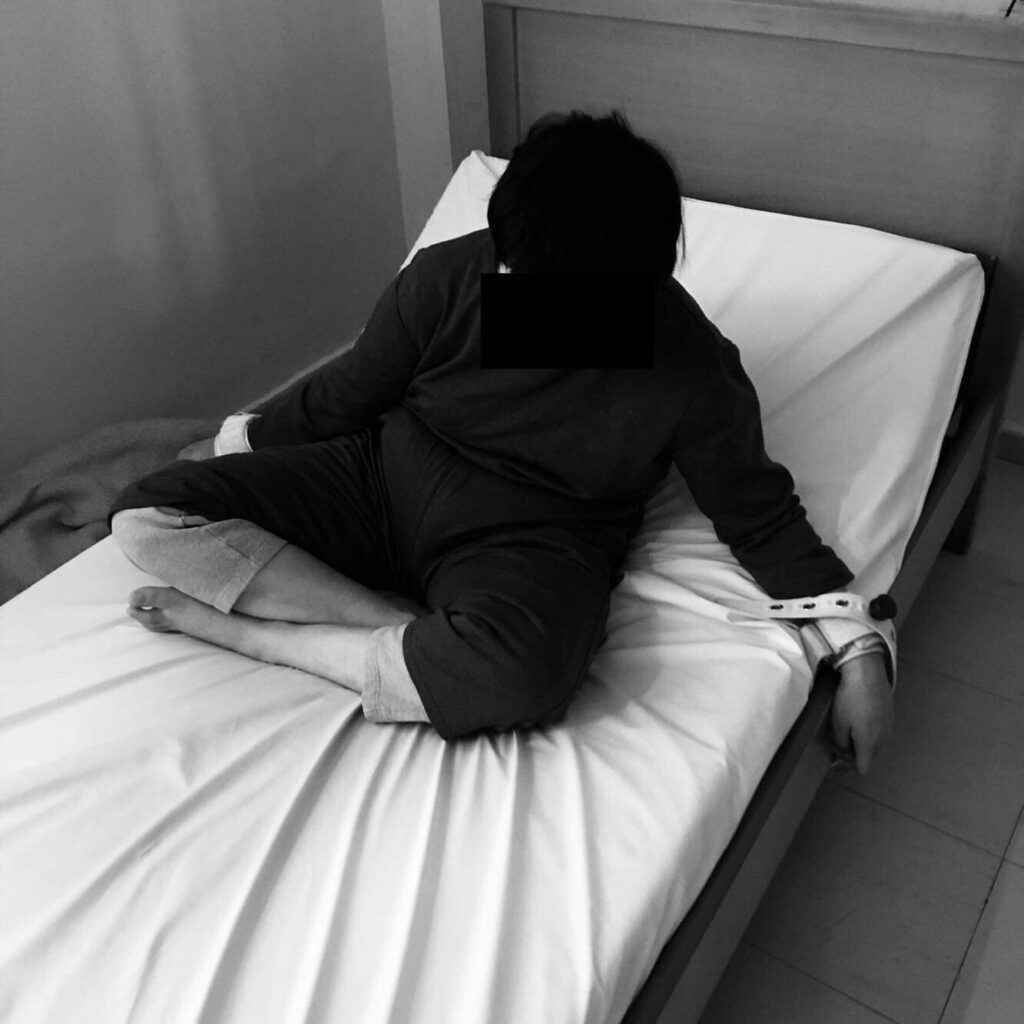
The only thing that belongs to you is a bed—very often with bars for “protection”—and you may have to stay there for days, months, or years.Imagine eating at fixed times—whether you are hungry or not.
Having no choice.Imagine your daily life depending on staff shifts, because they are responsible for your care, and are the people you see every day.
Imagine not having dreams.
Not because you don’t want to—but because you are not allowed to.
For thousands of people—children and adults—living in institutions in Greece, this is everyday life.
The institutionalization of both disabled and non-disabled people constitutes a violation of fundamental human rights, such as the right to education, family life, work, self-determination, and social inclusion.
No matter how much conditions improve, institutionalization deprives individuals of:
- healthy cognitive, physical, and psychological development
- equal access to adequate nutrition, healthcare, education, and employment
- stable human relationships and a sense of belonging
Greece has already committed to ending this practice through the National Deinstitutionalization Strategy (2024–2030), as well as by ratifying international conventions such as:
- The Convention on the Rights of Persons with Disabilities (CRPD) in 2012
- The Convention on the Rights of the Child (CRC) in 1992
However, the transition is progressing very slowly, and thousands of people continue to live—and die—in institutions.
Solutions exist that have been successfully implemented in other countries:
- promoting foster care, especially professional foster care for disabled children
- strengthening family support services
- creating small, community-based living arrangements with appropriate support, for children or young adults who cannot be placed in family settings or are not yet able to live independently

We call on the Greek Government to:
-
Commit by law to implementing the national deinstitutionalization plan with a clear timeline and funding
-
Promote and substantially strengthen foster care, especially professional foster care for disabled children
-
Develop community-based support services, such as small family-type homes, supported apartments, and in-home support
-
Support families so that no child is placed in an institution due to poverty or lack of support
-
Transform institutions into centers that provide community support services and raise awareness about deinstitutionalization
-
Ensure the participation of children and adults in decisions affecting their lives
-
Guarantee transparency, independent oversight, and protection from abuse in all care settings
Establish May 5th as the National Deinstitutionalization Day, as it is already the European Independent Living Day
Why your signature matters
The more signatures collected, the greater the pressure on the Greek Government to truly move forward with deinstitutionalization.
✍️ Sign now
Institutions are not the solution.
Every child deserves a family—every person a home.
Learn more about our Campaign here.